
 Arts & Entertainment
Creating Memorable Experiences with Casablanca Hire Events
Understanding the Essence of Event Planning
Event planning is the art and science of organizing social and professional gatherings. From weddings to corporate retreats, the details involved can be numerous and complex. Successful event planning hinges on understanding your audience, the purpose of the event, and how best to create a memorable experience. The nuance lies in balancing logistics, creativity, and unexpected nuances, factors that contribute significantly to the event’s overall success. As you embark on planning an event, consider the resources available at https://www.casablancahire.co.uk/ to enhance your organizational efforts.
Key Components of a Successful Event
The foundation of every successful event lies in key components that guide planners from inception to execution. Here are essential elements to consider:
- Planning and Coordination: All great events require meticulous planning, which involves setting clear objectives and timelines, coordinating with various stakeholders, and ensuring seamless execution.
- Guest Experience: The guest’s journey from invitation to departure should be engaging. Ensuring comfort, entertainment, and interaction keeps attendees satisfied and returns them for future events.
- Content and Activities: Depending on the event type, engaging speakers, appropriate entertainment, and interactive elements can enhance the experience, making it more memorable.
- Logistics and Operations: This involves everything from venue selection to catering. Efficient logistics ensure minimal disruption, allowing for a smoother experience.
- Feedback Mechanisms: Establishing methods for collecting attendee feedback is crucial for measuring success and identifying improvements for future events.
Importance of Theme and Decor
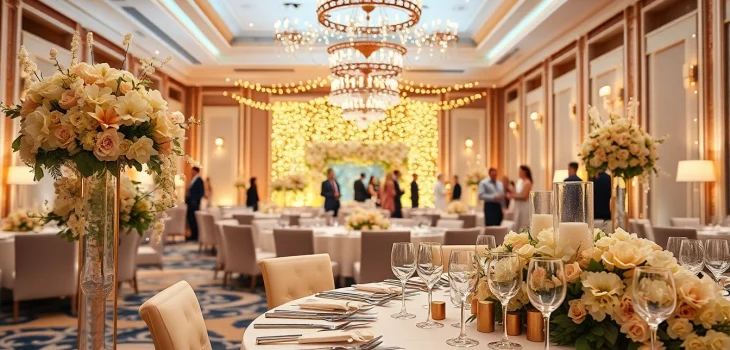
Thematic elements breathe life into an event, transforming it from an ordinary gathering into an extraordinary experience. A well-chosen theme creates a cohesive visual identity that resonates with guests. When planning decor, considerations include color schemes, ambiance, and the use of furnishings that align with the event’s goals. Creative decor can set the mood and create lasting impressions; it can be whimsical for birthday parties or elegant for corporate events.
Additionally, integrating technology with decor, such as projection mapping or LED displays, can offer unique visual experiences that enhance engagement and captivate attendees.
Budgeting for an Unforgettable Experience
Budgeting is often perceived as a daunting task, but it is integral to achieving a successful event. Careful financial planning allows you to allocate resources effectively while anticipating potential expenses. Here are some strategic tips:
- Break Down Your Budget: Separate costs into categories such as venue, catering, decor, entertainment, and marketing. This provides a clearer view of where funds are allocated.
- Prioritize Expenses: Focus on elements that enhance attendee experience, and be willing to adjust or compromise on non-essential elements.
- Track Expenses Consistently: Use spreadsheets or budgeting tools to monitor spending in real time, helping to avoid overspending and allowing for adjustments as necessary.
- Plan for Contingencies: Set aside a buffer (typically 10-15% of your budget) for unexpected costs that may arise during planning or execution.
Event Types and Their Unique Requirements
Each event type comes with its own unique requirements, necessitating tailored planning approaches. Whether organizing a formal corporate meeting or a lively wedding, understanding these differences is key to delivering satisfying experiences.
Corporate Events: Professionalism Meets Elegance
Corporate events often reflect the company’s brand image and values. These occasions can serve multiple purposes, from networking to training. To achieve a successful corporate event, consider:
- Clear Objectives: Establish the primary purpose—whether it’s employee training, product launch, or a networking opportunity. This will guide your planning process.
- Professional Venue Selection: Choose locations that resonate with your brand image, offering the necessary facilities and optimal accessibility for attendees.
- Networking Opportunities: Design layouts and schedules that encourage interactions, such as breakout sessions or group activities that promote discussion and collaboration.
Weddings: Personal Touches that Matter
Weddings are personal milestones, often steeped in emotion and significance. Couples seek to curate experiences that reflect their love story. Essential considerations for wedding planning include:
- Personalization: Incorporate elements unique to the couple, such as shared interests, favorite colors, or cultures.
- Guest Engagement: Design activities that encourage guest interaction, like photo booths or games, making everyone feel involved in the celebration.
- Emotionally Charged Decor: Choose decor that resonates emotionally, creating a beautiful yet meaningful environment for guests.
Private Parties: Customization for Fun
Private parties, be they birthdays, anniversaries, or reunions, allow for maximum creativity and personalization. Here’s how to approach planning a standout event:
- Define the Theme: Establish a fun and engaging theme that fits the occasion and guest preferences, be it a retro 80s night or a sophisticated cocktail party.
- Create Unique Experiences: Think outside the box with unique activities or entertainment options, such as live performances or interactive workshops that captivate guests.
- Considerations for Size: Depending on the guest list, tailor the logistics, choosing appropriate venues with adequate space for activities and mingling.
Choosing the Right Venue
Venue selection is arguably one of the most critical aspects of event planning. The right venue can enhance the overall experience, while a poor choice can lead to logistical challenges. Here are some factors to consider:
Factors to Consider for Selection
When evaluating possible venues, it’s important to weigh several factors meticulously:
- Capacity: Ensure the venue can comfortably accommodate your expected number of attendees and provide space for activities.
- Location: Select a venue that is convenient for your target audience, considering aspects such as parking availability and accessibility via public transport.
- Amenities: Look for venues that offer essential facilities like audio-visual equipment, Wi-Fi, and catering options to streamline the planning process.
Enhancing Ambiance with Decorations
The atmosphere of the event is heavily influenced by the venue and its decor. Selecting a venue that allows for flexibility with setup significantly aids in creating the desired ambiance:
- Transform What You Have: Use your decor to enhance the venue—string lights, table centerpieces, and thematic setups can radically alter the space.
- Color Schemes and Lighting: Choose colors that align with your theme while utilizing those shades in decor, lighting, and even table settings.
- Creative Use of Space: Divide large venues into sections for specific activities, creating designated areas through partitions or themed decorations.
Accessibility and Location Impact
Accessibility can greatly affect attendance and overall satisfaction. Consideration of the venue’s location and how accessible it is for all guests is crucial:
- Transportation Links: Prioritize venues near public transport, airports, or major roadways to make it easier for guests to attend.
- Accessibility Features: Ensure venues are ADA compliant, with features like ramps, elevators, and accessible restrooms to accommodate all guests.
- Accommodation Availability: If your event spans multiple days, consider nearby hotels or accommodations to assist out-of-town guests.
Marketing Your Event Effectively
Marketing is paramount to ensure that your event reaches the target audience and meets attendance expectations. Both digital and traditional strategies are effective in promoting your event:
Utilizing Social Media for Promotion
Social media platforms provide tremendous opportunities for outreach and engagement. Effectively utilizing these tools can expand your event’s reach:
- Create Engaging Content: Share visually appealing content, such as photos and videos related to the event theme, to capture attention.
- Engage with Attendees: Use platforms to create polls, answer questions, and foster conversations among potential attendees before the event.
- Leverage Influencers: Identify local influencers whose audiences align with your target demographic, encouraging them to share details about your event.
Traditional Marketing Strategies That Work
While digital marketing has gained traction, traditional methods remain effective and should be part of a cohesive strategy:
- Networking: Attend related events or gatherings to share information about your upcoming event and make meaningful connections.
- Printed Materials: Utilize flyers, brochures, and posters in strategic locations to catch the attention of potential attendees.
- Media Outreach: Engaging with local newspapers or radio stations to promote your event can provide valuable exposure.
Leveraging Word of Mouth
Word of mouth is an age-old marketing tool that can be incredibly powerful. Encourage attendees to spread the word:
- Referral Incentives: Offer discounts or exclusive perks to attendees who bring friends, fueling organic growth.
- Engagement Strategies: Create unique experiences that guests are likely to talk about—think interactive activities or surprise element—enabling stories that secondhand promote your event.
- Post-Event Engagement: Keep the conversation alive after the event ends by sharing results, photos, and feedback, encouraging attendees to share their experiences.
Post-Event Evaluation and Feedback
Evaluating an event’s performance after its conclusion is essential for identifying successes and areas for improvement:
Gathering Attendee Feedback for Improvement
Actively soliciting feedback helps you understand attendee experiences, uncovering what worked and what didn’t:
- Surveys and Questionnaires: Distribute post-event surveys that ask targeted questions related to various event aspects—from venue to content quality.
- In-Person Feedback: Utilize face-to-face interactions during the event conclude to gather real-time thoughts from attendees.
- Customer Follow-Up: Sending thank-you notes to attendees that include a feedback request can increase response rates.
Measuring Event Success Metrics
Success metrics are quantifiable elements that help assess whether objectives are met:
- Attendance Figures: Compare projected against actual attendance to gauge interest and effectiveness of marketing strategies.
- Engagement Levels: Look at metrics like session participation rates or activity attendance to measure audience engagement.
- Revenue Generation: Analyze ticket sales, sponsorship income, and overall financial outcomes to assess the fiscal success of the event.
Planning for Future Events Based on Insights
Utilizing feedback and metrics insights ensures continuous improvement for future events:
- Error Analysis: Identify recurring issues and develop solutions to avoid them in subsequent events.
- Benchmarking: Compare the results of various events, assessing trends that inform planning strategies moving forward.
- Integrating Best Practices: Incorporate successful elements that received positive feedback and consider eliminating or changing less effective aspects.
Frequently Asked Questions
1. What is the first step in event planning?
The first step is defining the event’s purpose and objectives. Establishing clear intentions guides all subsequent planning decisions.
2. How far in advance should I begin planning an event?
Typically, it’s advisable to start planning at least three to six months in advance for larger events, while smaller gatherings may require less time.
3. What budget factors should I consider for events?
Consider venue costs, catering, decor, entertainment, and marketing expenses. Remember to include unforeseen expenses into the total budget.
4. How can I ensure high attendance at my event?
Effective marketing, enticing content, and engaging experiences significantly contribute to higher attendance. Communicate benefits clearly to your audience.
5. Why is feedback important after an event?
Feedback allows you to measure attendee satisfaction and identify areas for improvement, providing valuable insights for future events.


