Understanding the Impact of the Colorado School Shooting
The tragic events surrounding the Colorado School Shooting have left an indelible mark on the community, prompting extensive discussions about school safety, mental health, and community resilience. Understanding the multifaceted impact of such violence is crucial in preventing future tragedies and supporting those affected. The emotional, psychological, and community responses following these incidents shape not only the immediate aftermath but also long-term healing and policy changes. As we explore the implications of the Colorado School Shooting, it is essential to acknowledge various aspects that contribute to a comprehensive understanding of its impact. When exploring options, Colorado School Shooting provides comprehensive insights into these aspects.
What Happened: A Timeline of Events
The timeline of a school shooting often begins with a moment of normalcy that abruptly transforms into chaos. In the case of the Colorado School Shooting, events escalated rapidly, capturing national attention. On that fateful day, a series of alarming incidents unfolded, leading to the tragic loss of life and injuries. Understanding the sequence of events is crucial for analysis and reflection.
- Date of Incident: The tragedy occurred on [insert date], at [insert school name].
- Timeline of Events:
- Immediate Response: Emergency services responded within minutes, but the aftermath left the community in shock.
Emotional and Psychological Effects on Survivors
Survivors of school shootings face a range of emotional and psychological challenges that may linger long after the event. Experiences of trauma, anxiety, and depression are common among those who witness or are directly affected by such violence. Studies indicate that many survivors require ongoing mental health support. Schools and mental health organizations must prioritize resources to assist victims in healing and coping with the aftermath.
Community Responses and Support Efforts
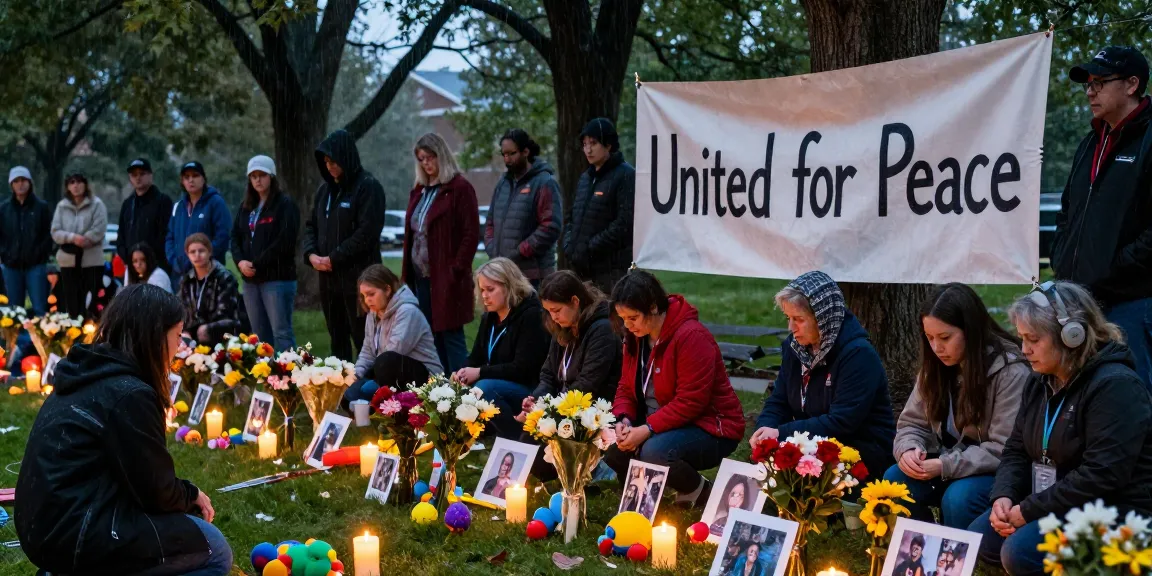
The response from the community plays a pivotal role in the aftermath of a school shooting. Community members often band together, providing support to those affected and engaging in advocacy for policy changes that enhance school safety. Grassroots movements may arise, focusing on mental health initiatives, memorials, and awareness campaigns to honor victims. The community's resilience can be a powerful tool in healing.
Lessons Learned from Past Incidents
Reflecting on past incidents of school shootings reveals essential lessons that can inform future strategies. By analyzing the responses to these tragedies, educators and policymakers can better understand effective protocols and common misconceptions surrounding safety measures.
Analysis of Response Strategies Following School Shootings
After multiple incidents across the nation, various response strategies have been implemented to enhance school safety. Lockdown drills, improved communication systems, and partnerships with local law enforcement have become common practices. However, the effectiveness of these strategies often depends on proper training and community involvement.
Common Misconceptions about Safety Protocols
Many misconceptions regarding school safety protocols persist, often leading to confusion or ineffective practices. For example, some believe that increased security measures alone can prevent incidents. In reality, a balanced approach that incorporates mental health resources, community engagement, and effective communication is crucial for fostering a safe environment.
Real-world Case Studies of Effective Interventions
Analyzing case studies from other regions where effective interventions were implemented can provide valuable insights. One successful model involved a comprehensive mental health program introduced in [insert another relevant location], which significantly reduced incidents of violence and improved students' well-being by focusing on early intervention and continuous support.
Best Practices for Preventing Future Tragedies
The prevention of future school shootings requires a multifaceted approach that incorporates mental health initiatives, safety protocols, and community engagement. Best practices can help create an environment where students feel secure and supported.
Implementing Comprehensive Mental Health Programs
Mental health resources are essential in schools. Implementing comprehensive programs that focus on social-emotional learning and crisis intervention can aid in identifying at-risk students early on. Providing counseling services and support groups fosters a culture of openness and understanding.
Creating Safe and Supportive School Environments
A supportive school environment should emphasize inclusivity and safety. Schools can adopt restorative practices to address conflicts and promote healthy relationships among students. Teachers and staff should receive training on recognizing warning signs of distress among students and how to respond effectively.
Community Engagement in Safety Initiatives
Community involvement is critical to the success of safety initiatives. Schools should collaborate with parents, local organizations, and law enforcement to create a network of support. Engaging students and community members in safety drills and discussions fosters a shared responsibility for safety.
Communication and Support for Affected Families
Effective communication and support systems are vital for families affected by school shootings. Understanding how to provide emotional support during crises and being aware of available resources is crucial for families as they navigate their grief.
How to Provide Emotional Support during Crisis
Providing emotional support necessitates active listening and empathy. Families may experience a range of emotions, from anger to confusion. Community members can play a pivotal role by offering a supportive presence, facilitating open dialogues, and encouraging families to seek professional help when necessary.
Resources Available for Grieving Families
Numerous resources exist to support grieving families post-tragedy, including counseling services and support groups specifically tailored for those affected by school violence. Schools can provide information about local and national organizations dedicated to offering assistance.
Importance of Open Dialogue in Schools
Creating a culture of open dialogue within schools is essential for addressing issues related to safety and mental health. Encouraging students to express their feelings and concerns can help foster a supportive environment where they feel comfortable discussing their worries.
Looking Ahead: Future Trends and Developments in School Safety
As we look to the future, various trends and developments are shaping the approach to school safety. The integration of innovative technologies, policy updates, and community involvement is crucial for creating a safer environment for students.
Innovative Technology Solutions for School Security
Advancements in technology present new opportunities for enhancing school security. Smart building technologies, such as surveillance systems and integrated communication platforms, allow for real-time monitoring and rapid response capabilities. These tools can significantly contribute to a proactive approach to safety.
Policy Changes and Legislative Actions Post-Tragedy
Following instances of school shootings, legislative changes often emerge to address gaps in existing laws. It is important for communities to advocate for policies that create safer school environments, including stricter regulations on firearm access and increased funding for mental health services.
Community Involvement in Shaping Safe Environments
Engaging the community in safety discussions is vital. Town hall meetings, workshops, and collaborative initiatives can foster a sense of shared responsibility for the safety of students. When community members come together to address safety concerns, they can develop targeted strategies that resonate with their specific needs.
What should I know about the Colorado School Shooting?
Understanding the Colorado School Shooting requires examining its broader implications, including the emotional toll on students and families, the community's response, and the policies that emerged in its wake. It is essential to honor the memory of those affected while also advocating for change that prevents future tragedies.
How can communities heal after such tragedies?
Healing begins with open dialogue, community support, and mental health resources. Communities can organize commemorative events and workshops that focus on resilience and recovery, helping individuals process their grief collectively.
What resources are available for students and families?
Numerous resources are available, including crisis hotlines, counseling services, and support networks through local organizations. Schools should actively communicate these resources to students and families, ensuring they are accessible and well-known.
How to initiate discussions about school safety?
Initiating discussions about school safety requires sensitivity and openness. Schools can host forums where students, parents, and staff can express their thoughts, concerns, and suggestions. Creating an environment where everyone feels heard is key to constructive dialogue.
What are the latest trends in school security measures?
The latest trends in school security measures include the integration of mental health initiatives, enhanced communication technology, and community engagement strategies. Schools are also focusing on building a positive school climate as a foundational element of prevention.